The Ultimate Guide to Upgrading Your AC Installation in Gainesville
An aging air conditioner can make a Gainesville summer feel even longer. Rising utility bills, uneven temperatures, frequent service visits, and indoor humidity may all point to a system that can no longer meet the demands of the home.
Upgrading your AC installation in Gainesville, FL, gives you an opportunity to improve comfort while choosing equipment that better matches your household and property. A successful replacement involves more than selecting a new outdoor unit. Proper sizing, compatible components, duct conditions, efficiency ratings, and installation quality all affect how well the system performs.
Know When Replacement Makes Sense
Age alone does not always determine whether an air conditioner should be replaced, although older equipment deserves closer attention. A system that still operates may consume excessive electricity or struggle to control humidity during long cooling cycles.
Repeated repairs can also change the financial equation. Paying for one minor repair may be reasonable, while investing in several repairs over a short period could make replacement more practical. Homeowners should consider the system’s age, current condition, repair history, comfort problems, and estimated remaining service life together.
Unusual noises, weak airflow, and rooms that never reach the thermostat setting are additional warning signs. A trained technician can inspect the equipment and explain whether a repair is likely to provide lasting value.
Start With Accurate System Sizing
Bigger air conditioners do not automatically produce better results. An oversized system may cool the home too quickly, causing it to shut off before removing enough moisture from the indoor air. This short cycling can create a cool yet clammy environment and increase wear on major components.
An undersized system may run for extended periods without reaching the desired temperature. The extra runtime can raise energy use while placing ongoing stress on the equipment.
Before recommending AC installation in Gainesville, FL, a technician should evaluate factors such as the home’s square footage, insulation, windows, ceiling height, sun exposure, and air leakage. This detailed calculation helps identify the amount of cooling capacity the property actually requires.
Compare Efficiency Ratings Carefully
Seasonal Energy Efficiency Ratio 2, commonly called SEER2, is used to describe the cooling efficiency of new air conditioners. A higher rating generally indicates that the system can provide cooling while using less electricity under standardized testing conditions.
The highest available rating may not be the best financial choice for every household. Purchase price, expected usage, home condition, and long-term plans should all influence the decision. A technician can compare suitable options and explain how different efficiency levels may affect operating costs.
Homeowners should also ask whether available rebates, manufacturer incentives, or financing options apply to the equipment they are considering. These programs can change, so current details should be confirmed before making a purchase.
Plan Your AC Installation in Gainesville, FL
A new air conditioner must work with the rest of the home’s cooling system. The outdoor condenser, indoor coil, air handler, thermostat, refrigerant lines, electrical connections, drain system, and ductwork all contribute to performance.
Existing ductwork should be inspected for damage, leakage, poor insulation, or airflow restrictions. Installing efficient equipment will not correct air loss from disconnected or deteriorated ducts. Addressing these concerns during the replacement process can help the new system distribute conditioned air more effectively.
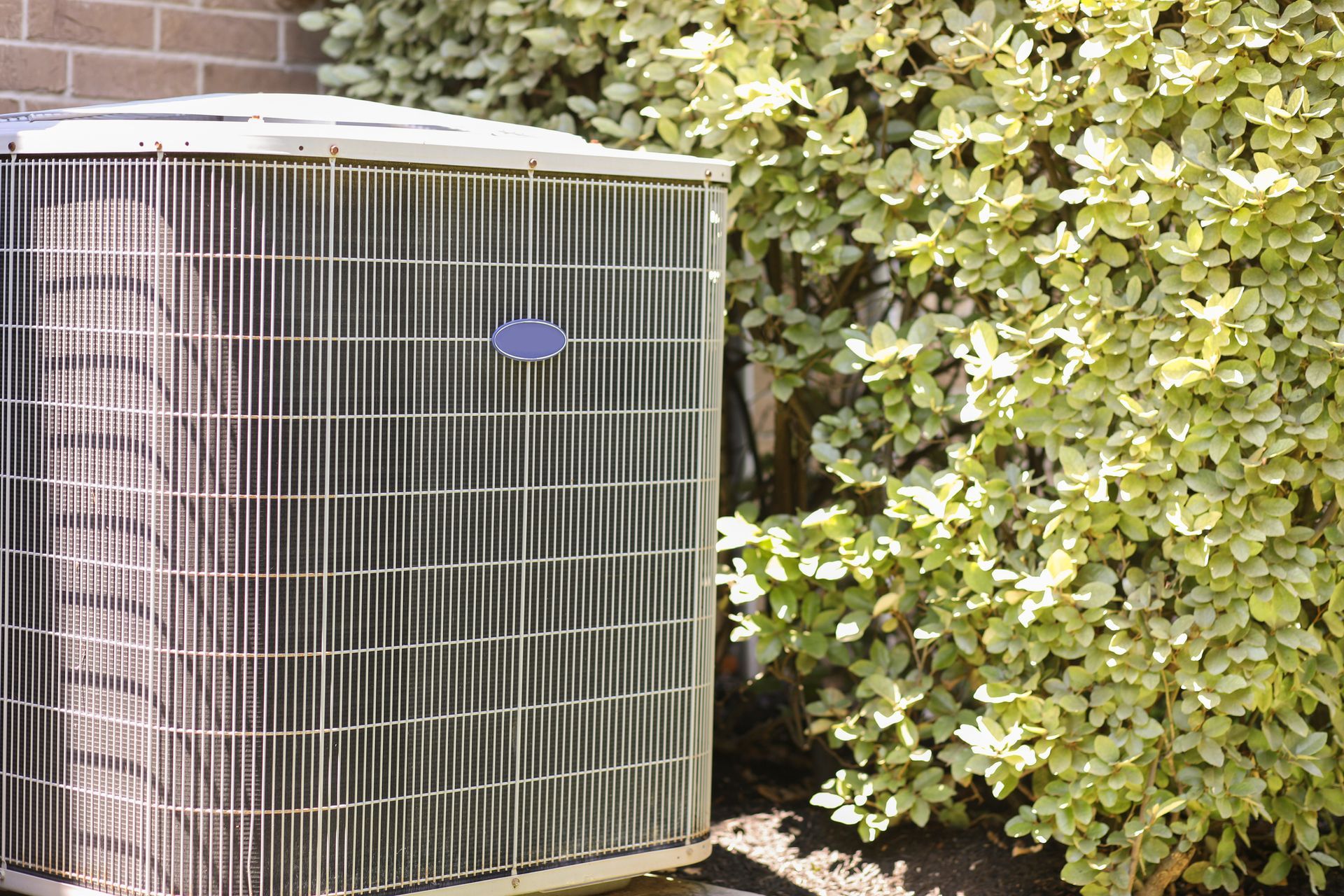
Installation planning should also cover the placement and condition of the outdoor unit. The equipment needs stable support and adequate clearance so air can move through the condenser properly.
Ask What the Installation Includes
Written estimates make it easier to compare proposals accurately. Each estimate should identify the equipment being installed, efficiency rating, warranty terms, labor coverage, required modifications, and removal of the old system.
Ask whether the project includes startup testing after the equipment is installed. The technician should verify refrigerant levels, airflow, electrical operation, thermostat communication, drainage, and temperature performance.
Homeowners arranging AC installation in Gainesville, FL, should also receive basic information about system operation and maintenance. Knowing the recommended filter type, maintenance schedule, and warranty requirements helps protect the investment.
Protect Your New Cooling System
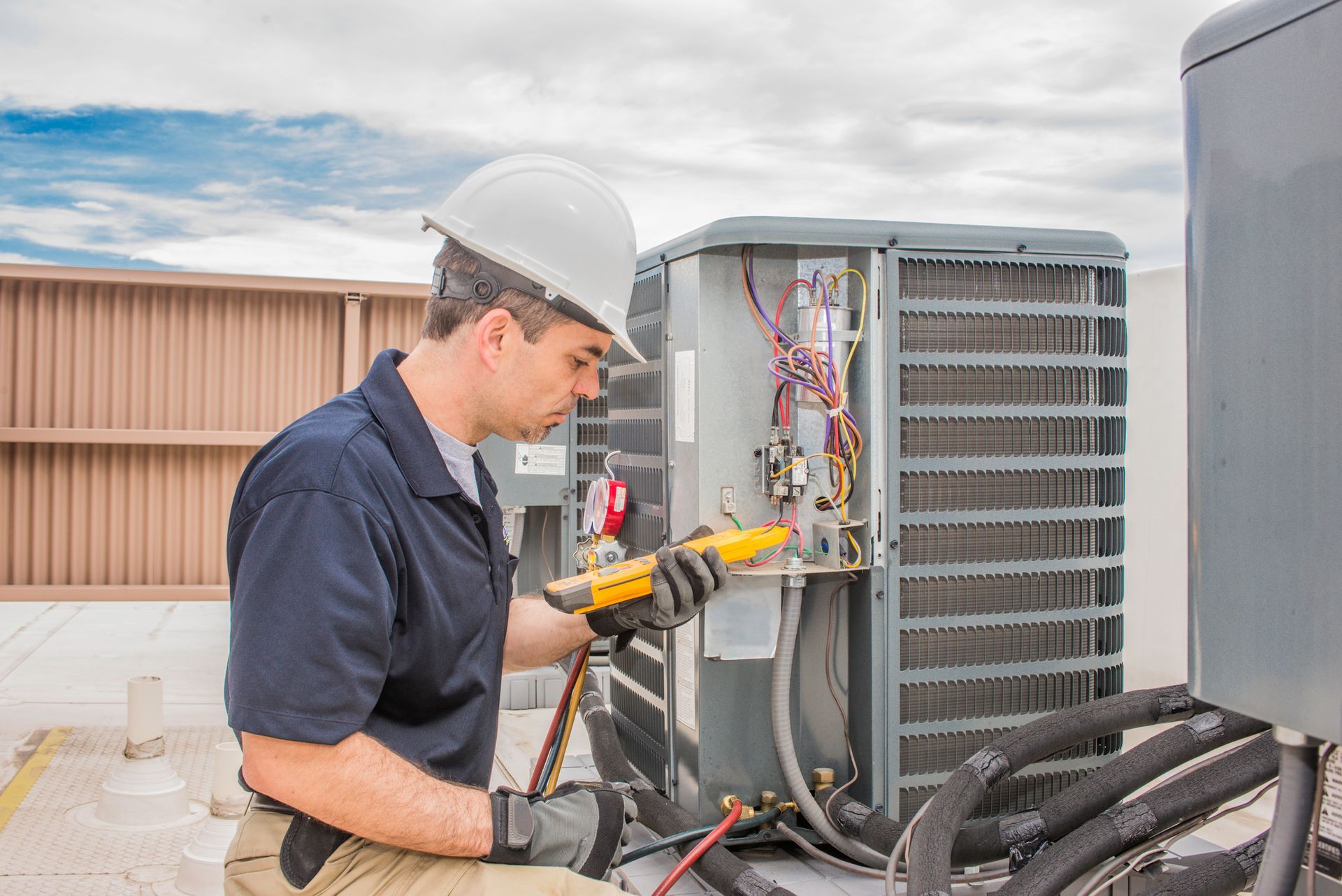
Professional maintenance supports dependable performance after installation. During a maintenance visit, a technician can inspect components, test system operation, check drainage, and identify developing concerns before they cause a larger disruption.
Filter replacement is also important, although the proper schedule depends on the filter, household conditions, and system design. Follow the equipment manufacturer’s recommendations.
Keeping service records and warranty documents together can simplify future maintenance or warranty requests. Good documentation also provides useful information about the system’s service history.
Schedule Your Cooling Upgrade With Jarvis Heat & Air LLC
Choosing a new air conditioner is an important home investment, and careful planning can improve comfort for years to come. At Jarvis Heat & Air LLC, we provide professional guidance and installation options for Gainesville-area homeowners considering a cooling system replacement.
Our technicians can assess your current equipment, review suitable system choices, and complete your
AC installation in Gainesville, FL, according to the needs of your home.
Contact us today to schedule an estimate and begin planning your cooling upgrade.